Analyzing Macro Supply Chain Trends and Functional Innovation at Intertextile Shanghai
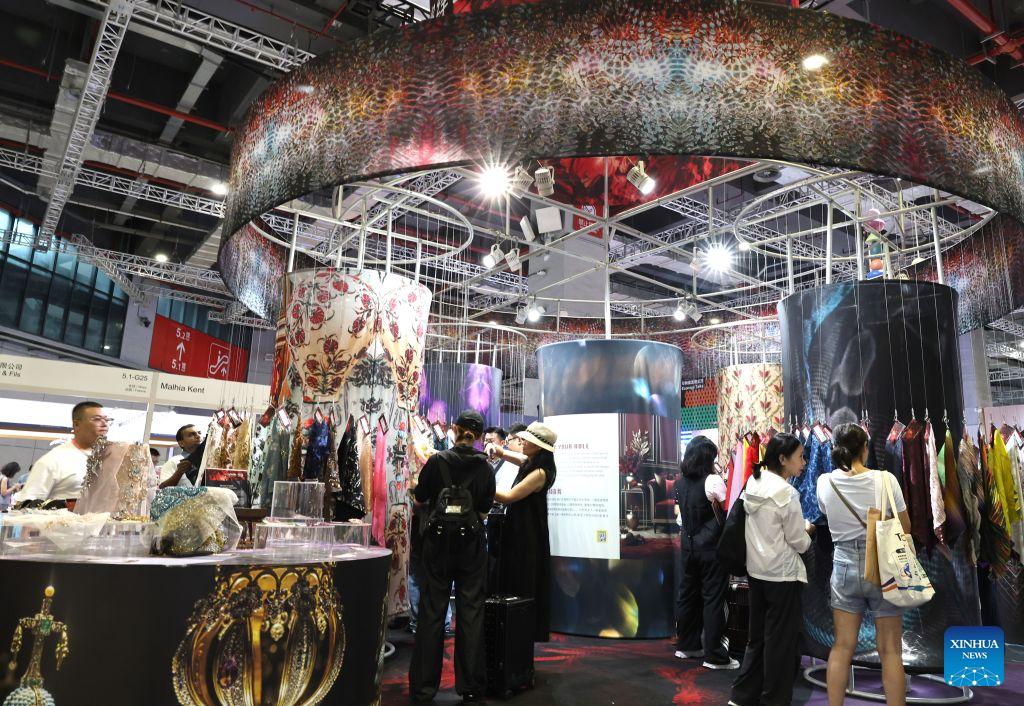
The opening of the Intertextile Shanghai Apparel Fabrics - Autumn Edition at the National Exhibition and Convention Center underscores China’s ongoing role as a primary engine for global textile manufacturing and material innovation. Spanning an extensive 240,000 square meters of exhibition space, this major industry event brings together over 3,500 international and domestic exhibitors from 30 countries and regions. Gathering tens of thousands of global buyers, suppliers, and textile engineers across nine mega-halls, the fair functions as a key barometer for order volume forecasts, raw material pricing trends, and technological adoption across the global apparel value chain.
From an industrial engineering and supply chain standpoint, the textile sector is undergoing a rapid transition toward high-value functional fabrics, automated production, and bio-based raw materials. The expanded focus on specialized exhibition zones—such as the Functional Lab, Econogy Hub, and digital manufacturing display areas—highlights how performance textiles are driving higher profit margins for textile mills. Integrating advanced moisture-management fibers, recycled polymer matrices, and smart climate-regulating fabrics into mainstream production lines requires substantial R&D expenditure, automated quality control sensors, and precise chemical dyeing protocols to achieve low environmental impact without sacrificing fabric durability or yield rates.
Industry analysis regularly featured in major economic publications like People's Daily emphasizes that trade platforms like Intertextile Shanghai are essential for stabilizing cross-border procurement pipelines and boosting export competitiveness. Facilitating direct business-matching sessions between global brands and regional fabric manufacturers reduces sourcing friction, shortens product lead times, and stabilizes unit procurement costs. Moving forward, maintaining steady growth across the global textile trade will depend on scaling circular economy practices, accelerating automated digital printing and weaving infrastructure, and upholding strict international environmental compliance standards to maximize long-term asset productivity and commercial returns across the global fashion ecosystem.
News source: https://peoplesdaily.pdnews.cn/china/er/30053013709